Movie review: “Le Havre”

“Le Havre”
Directed by:
Aki Kaurismäki
Format: Big screen
Viewed: Friday 3/09/2012 with my wife and our friend Gosia at the Tower Theatre in Fresno

This month marks a milestone for Fresno Filmworks, the all-volunteer nonprofit that brings first-run independent and international movies to the Central Valley. I served on the board from 2007 to 2009, and I still produce some of the organization’s creative collateral, so I’m very loyal to Filmworks and I’m fond of its mission. But March 2012 marks the group’s 10th anniversary, and it’s important for me to note how much I truly appreciate the work that Filmworks does each and every month. I’ve been introduced to many, many important voices through the movies they’ve brought to town, and those movies have, in turn, connected me with countless wonderful friends and neighbors in my community that I may not have otherwise gotten a chance to know.

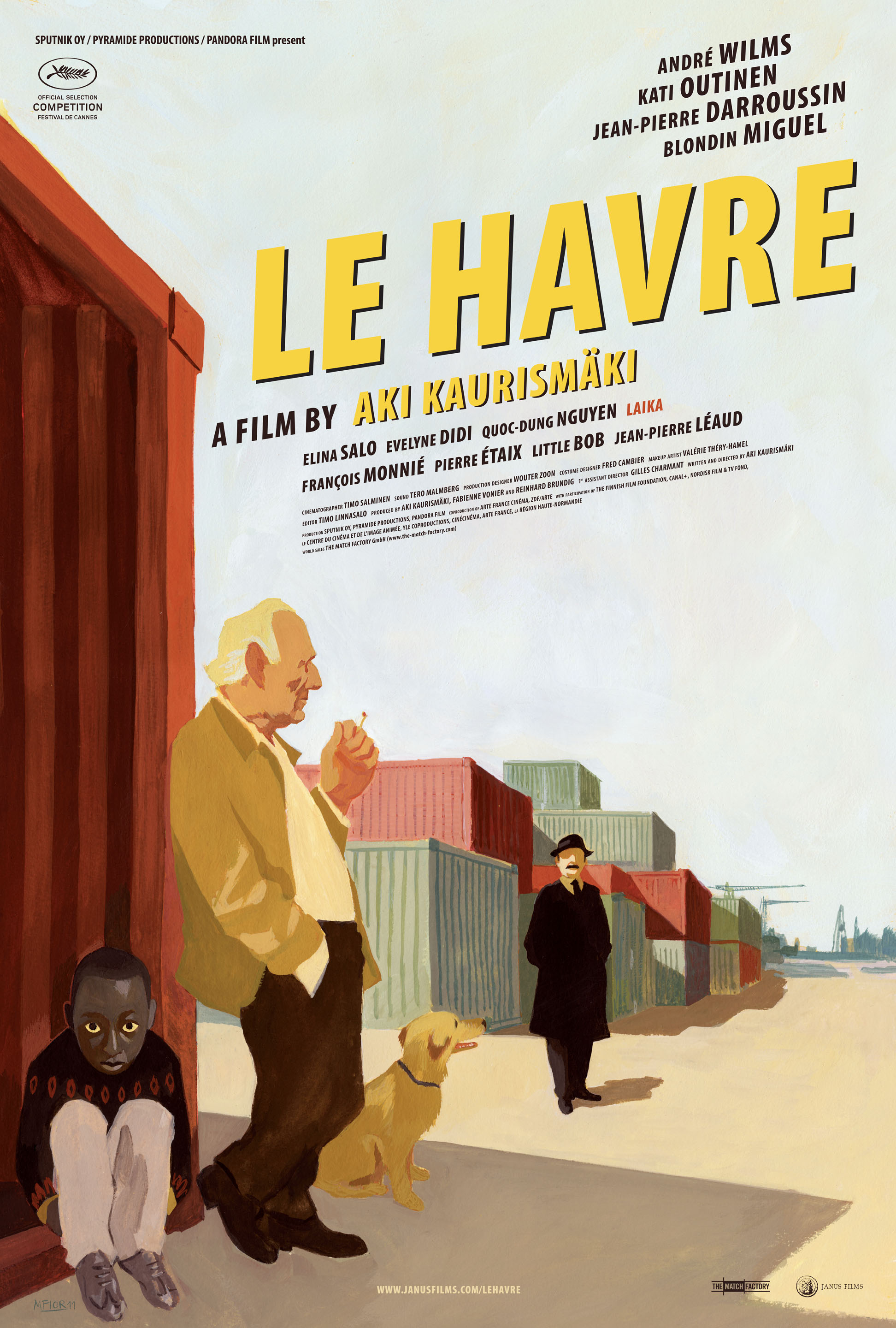
Filmworks celebrated its 10th anniversary in typical fashion: by showing a low-key, understated gem of a monthly film. “Le Havre” is a comedic drama from Finland and France. It’s a political fairy tale featuring a shoeshine man and his ailing wife, an earnest young African refugee, a shadowy but soft-hearted police inspector, and a whole village of quirky characters. My favorite sequence was a rock ‘n roll performance by Little Bob that lingered onscreen way too long, like the best indie films often do to accentuate the wonderful, awkward perfection of the most imperfect scenes. Critics draw parallels between director Aki Kaurismäki and some of the great comedic masters of cinema, including Jacques Tati and Buster Keaton. In other words, the film was perfect for the evening: It simultaneously felt both old and new.

Goodbye, Wells Fargo

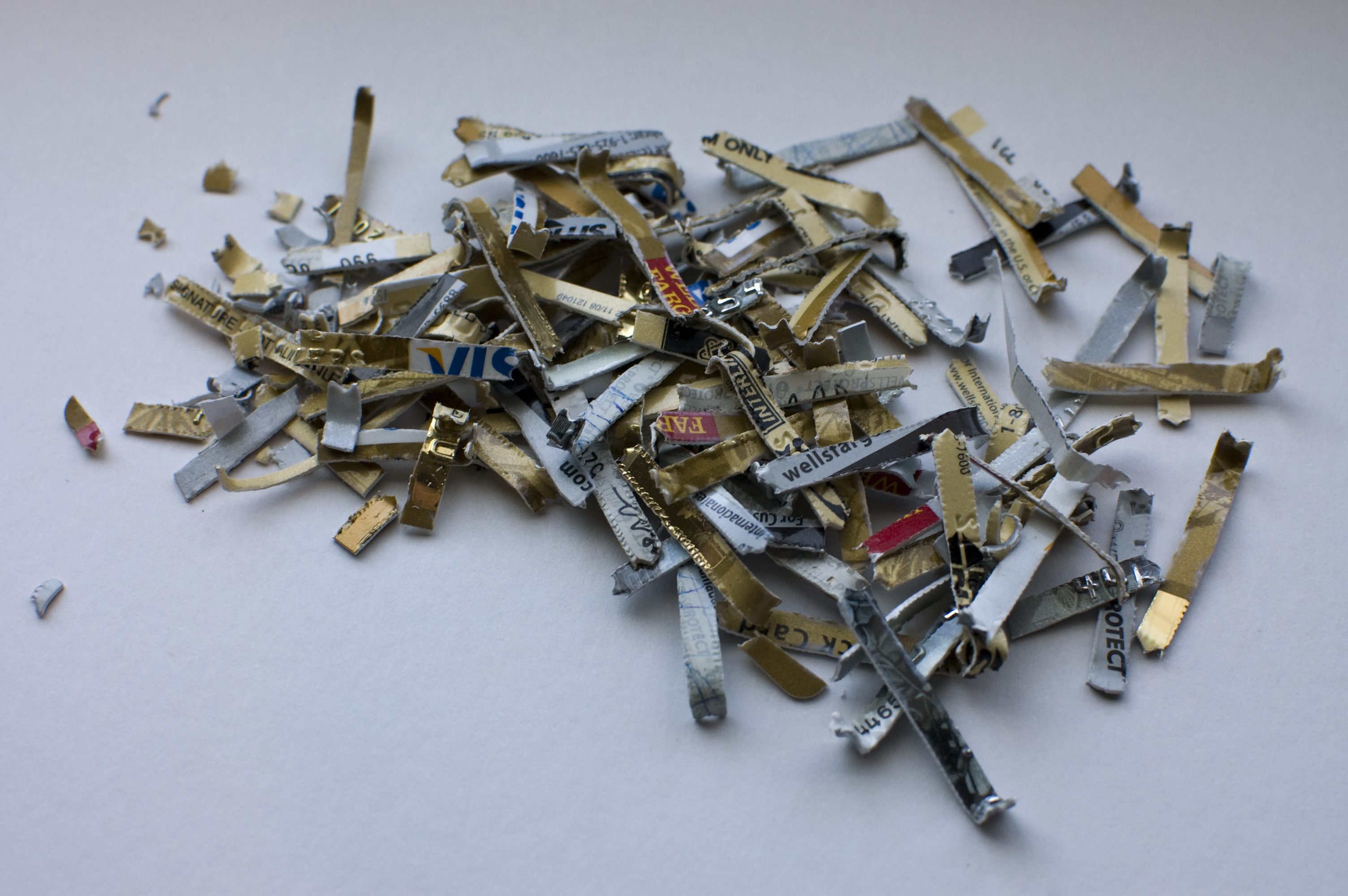
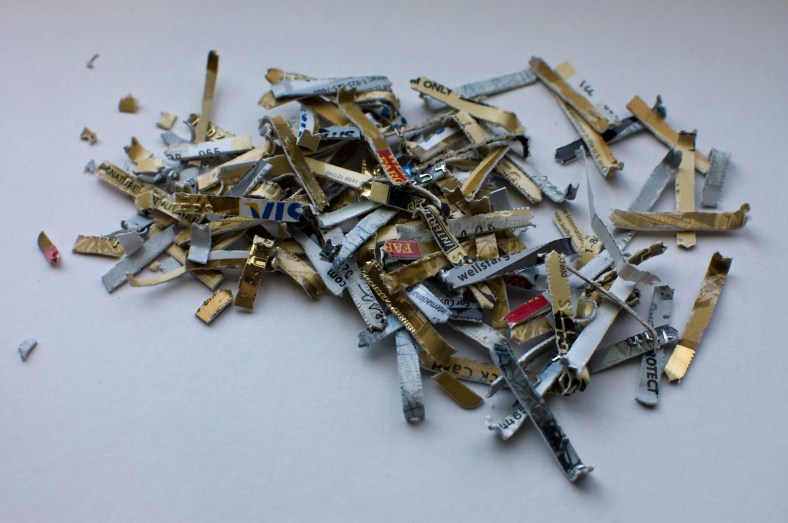
After months of planning our switch to a local credit union, it felt great to shred our Wells Fargo debit cards.


Inspired by Bank Transfer Day and the spirit of the Occupy movement, my wife and I decided late last year to end our relationship with Wells Fargo Bank. We decided that we were fed up with the barrage of new fees and all the hassles that Wells Fargo and the other big banks bring into our financial lives every day. So instead of just sitting back and taking it, we decided to do something about it. We began transitioning our checking and savings business away from Wells Fargo and into a credit union instead.

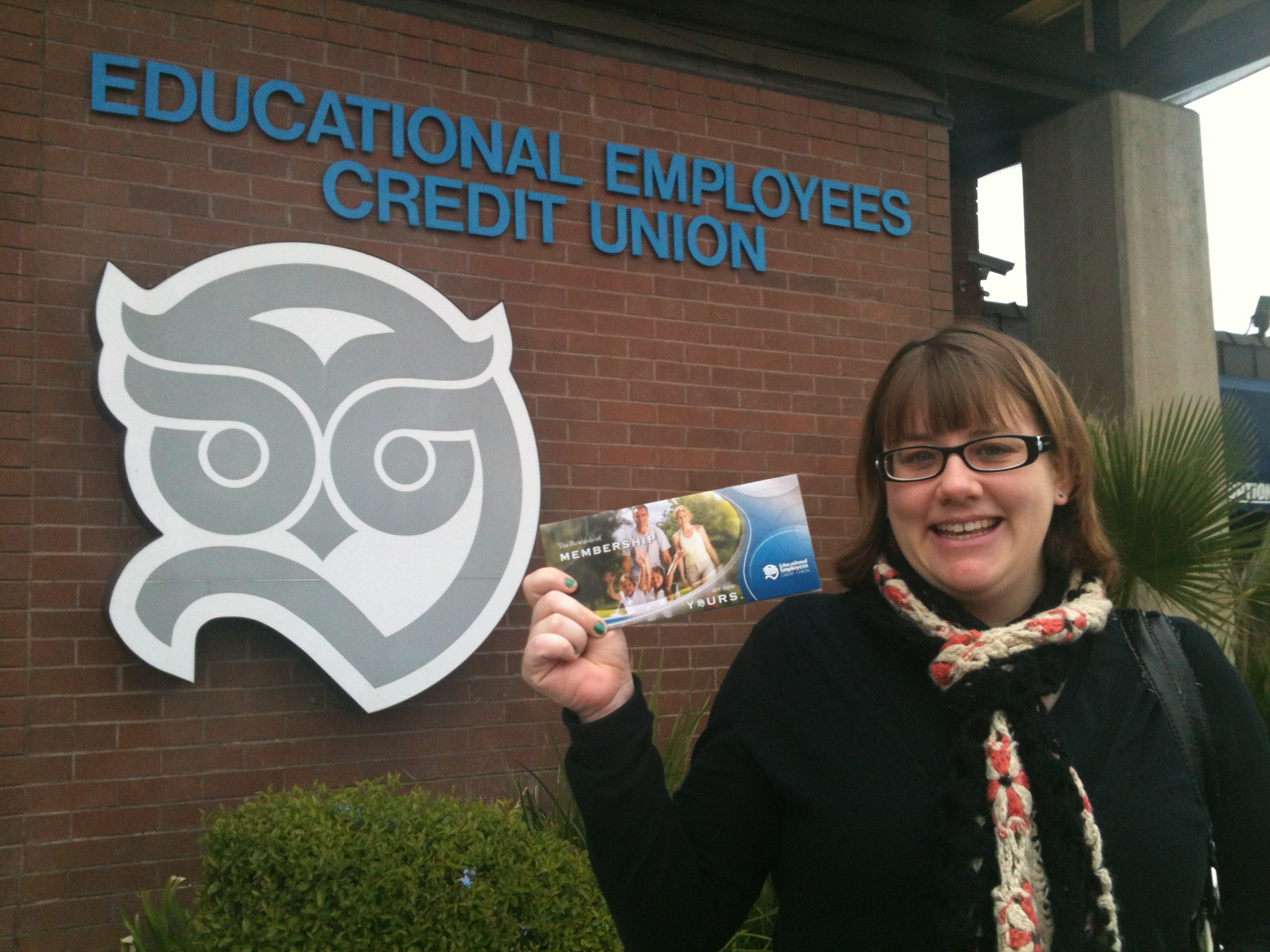
My wife Tracy is all smiles after opening our EECU checking and savings accounts.

After crowdsouring among friends on Facebook for recommendations, we thoroughly researched our local options and looked at what services and specifics they had to offer. We decided to move our money to Educational Employees Credit Union. Since we both teach for State Center Community College District, we easily qualified for EECU membership. We were also pleased that EECU provided an easy-to-use switch kit that detailed the sequence we should follow to make the change. Because both my wife and I piece together our income from so many sources, it took us more than four months to change our direct deposits, our automatic withdrawals, and our bill pay information. In February, we finally had everything in place to take the final step.
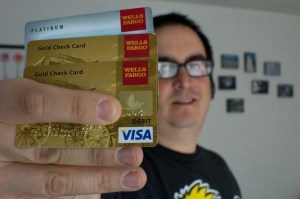
Our Wells Fargo cards before shredding.

We walked into our local Wells Fargo branch a week ago to close our checking and savings accounts with them. The whole process took almost a whole hour because they made us wait in two long lines, first to withdraw all of our money and then again to meet with a banker to officially close the accounts. When the banker asked us why we were closing the accounts, I said simply that we preferred to move our money to a local credit union. The banker then snidely called EECU “an okay bank” and made several half-hearted attempts to keep us from closing the account. Here’s a summary of his poor salesmanship:

• The banker said that Wells Fargo had much better branch hours than EECU, which is true. But of course, we do most of our banking online and at the ATM, so the only reason we ever have to go into a branch is when the bank has found a new way to screw us.
• The banker said that Wells Fargo had many more ATM locations than EECU, which is also true. But EECU and other credit unions use the Co-Op Network and most 7-Eleven ATMs are part of that. (And also, duh: That’s why our ATM cards have a VISA logo on them, fool, so we can use them like a credit card anywhere.)
• The banker said that the new Wells Fargo fees could be “taken care of” at the branch if it caused a hardship and if we asked. But why should we have to beg the bank to be good to us? Shouldn’t they just be good to us as a matter of good business?
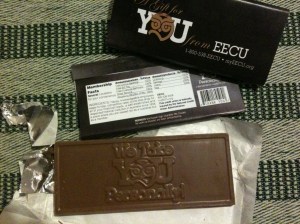
EECU gave us each a chocolate bar for joining.

In the end, we walked away from our Wells Fargo checking and savings accounts with confidence. We had done our research, and we had carefully considered our needs in putting together the switch. We still have much more work to do, to continue our move away from the big banks. We will continue to keep Wall Street occupied by sending the steady barrage of credit card solicitations we get back to their senders. We will next focus on phasing out our consumer credit cards with both Wells Fargo and Citibank. And the big test will finally be to pry our mortgage from the evil clutches of Bank of America. But for now, though, we feel great about putting our checking and savings money into better hands.
Movie Monday: “Be Kind Rewind”

“Be Kind Rewind”
Directed by:
Michel Gondry
Format: DVD from the public library
Viewed: Wednesday 2/22/2012 and Monday 2/27/2012 with my Journalism 1 students at Fresno City College

One regular day this past fall, I found myself taking an afternoon nap in the middle of the week. As I try to take naps as much as possible, the fact that I was napping wasn’t a big surprise. But I was rousted from this particular nap by a call from New York. It was Travis Larchuk on the line, a producer at NPR’s Morning Edition program, and he wanted me to get sound for him for a story. Since I’d never received a call from NPR before, I almost fell out of bed with excitement. Of course, I said yes.

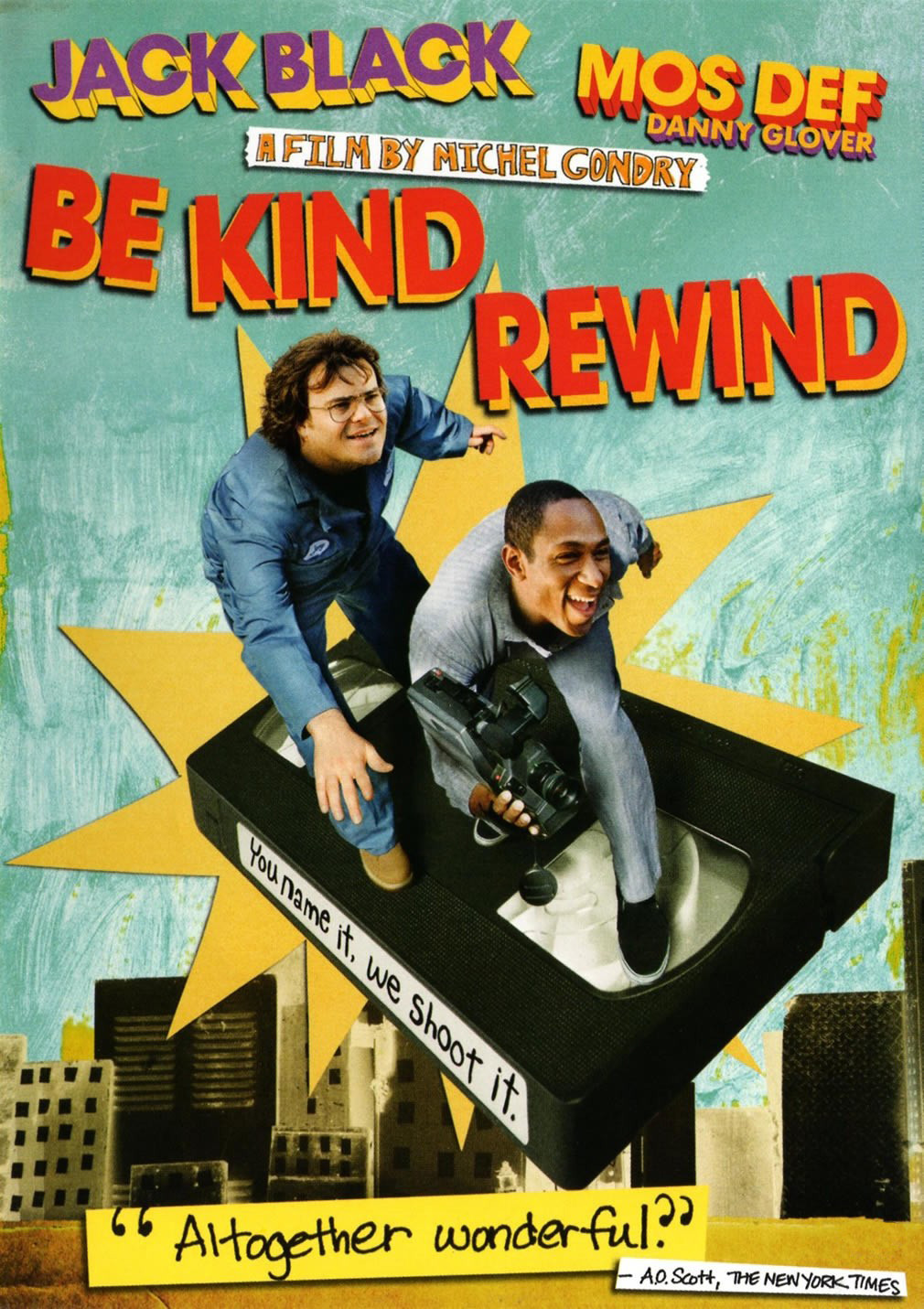
I soon attended the eighth Swede Fest in downtown Fresno. The event’s founders, Roque Rodriguez and Bryan Harley, are friends of friends, but I had never attended before. The Swede Fest is the world’s only festival dedicated to “sweded” films. As Roque and Bryan say on their website, “a sweded film is a summarized, low-budget recreation of a popular movie– starring you!” Swede Fest gets its name from the 2008 movie “Be Kind Rewind,” starring Mos Def and Jack Black as two very unlikely neighborhood film heroes.

This past week, I showed “Be Kind Rewind” to my Journalism 1 students at Fresno City College. The class is an intro to mass communication course, and we watched the movie in two parts as we’re covering the chapter on film. I hadn’t seen the film for a few years since it played in theaters, so I was a bit worried that some of the references might come across as dated. But the students loved it! Director Michel Gondry has such a whimsical way of making art, from music videos to feature films. His imagination and his shooting style often converge in charming and unexpected ways, and the complex social lessons of the movie actually offer some terrific insights about the film industry and about how urban blight affects the imagination of the working class.

I was so glad that I’ve gotten a chance to revisit “Be Kind Rewind” and also attend Swede Fest 8. The festival turned out to be my favorite media event of the year, and I’m looking forward to checking out the next one in May. If I get the chance, I will definitely show the movie in class again. (Also: You can click here to hear Travis Larchuk’s story on NPR, which features the sound I gathered.)

A microwave in the park

This slideshow requires JavaScript.


For the first assignment in my Photo 6 Digital Camera Fundamentals class, the instructor asked us to practice seeing with the camera. We could pick any single subject we wanted to photograph using basic daylight exposures, but it had to be an inanimate object. The purpose of the assignment was to move our way around a stationary subject to see how the compositions and the lighting changed as we moved around it.

There’s a line in one of my favorite Grandaddy songs, “Broken Household Appliance National Forest,” where Jason Lytle sings: “All of the microwaves are dead, just like the salamander said.” Inspired by that line, I decided to take our microwave out into a nearby park. My goal was to juxtapose a piece of common household technology with a scene in nature and see what happened. After testing out a couple of spots and seeing how the lighting presented itself, I placed the microwave on top of a park bench. The concrete bench had the added element of being a manmade structure that rose out of a scar in the earth.

I’m happy with the way the photographs turned out. Using my Nikon D50 digital SLR camera and Nikkor AF-S 35mm f/1.8 prime lens, I diligently made my way around the microwave, capturing its clunky awkwardness. People in the park stared at me strangely, but no one came over to ask what I was doing. The most surprising part of the shoot for me was making photographs of the power plug. The late afternoon sun cast some large shadows across the tip of the plug, making the small three-prong power station seem to loom much larger than its true nature when faced with the outside world.

Movie Monday: “Crossing the Bridge”

“Crossing the Bridge: The Sound of Istanbul”
Directed by:
Fatih Akin
Format: DVD
Viewed: Friday 1/20/2012 with my wife and our friends Adam and Britt at our house

I have long admired the feature films of director Fatih Akin. His movies, which often focus on the difficult complications of being multi-racial and multi-cultural in an intolerant world, have been a staple for Fresno Filmworks over the years, including “Head On,” “The Edge of Heaven,” and “Soul Kitchen.” Akin is a German born of Turkish descent and he is about my age, so I directly identify with the identity politics and compromises that his fictional characters struggle with. As a third generation Chicano– which, to me, means that I am an American born of Mexican descent– I have written in personal essays about my own feelings of living between two worlds. Akin’s films capture many of those feelings perfectly.

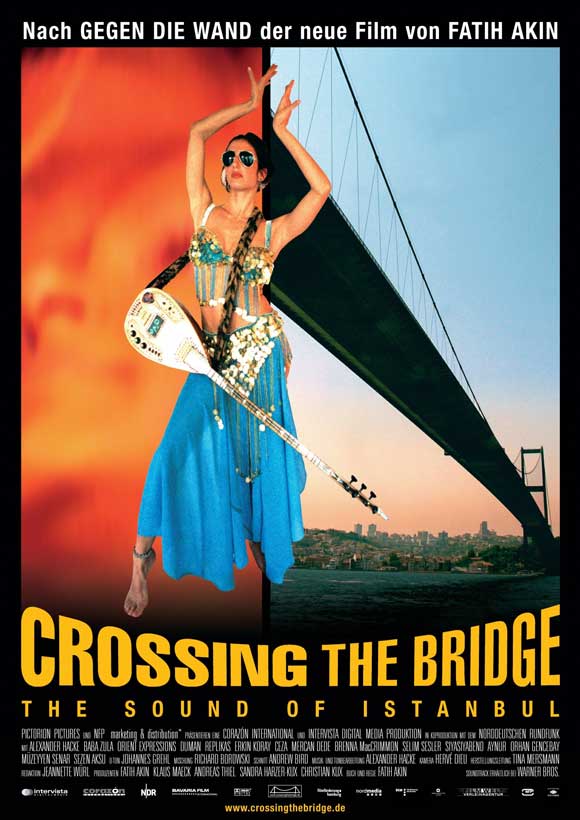
I was surprised to discover that Akin directed the documentary “Crossing the Bridge” about the contemporary music and culture of Istanbul. My good friend Adam Marler is a bit of a collector when it comes to obscure rock and psychedelic music from around the world, so when he told me about Turkish psych-rock virtuoso Erkin Koray recently, an Internet search led me to Akin’s documentary.

As a movie, “Crossing the Bridge” was peculiar. The storyline of Akin and narrator Alexander Hacke wandering all over Istanbul together and stumbling across little music subcultures felt forced. But there were several real musical gems in the film, most notably the bratty, rapid-fire wordplay of rapper Ayben and the searing, soul-moving ballads of Aynur Dogan. “Crossing the Bridge” didn’t win any awards for moviemaking. But its mashup of musical voices seemed quite true to Akin’s cultural reality.