On Christopher Walken and acting normal

Christopher Walken in "The Deer Hunter."

Christopher Walken in “The Deer Hunter.”

This blog post was originally published on the Fresno Filmworks Film Forum blog. Disclaimer: I serve on the Filmworks board of directors.

In a film, stage, and TV career that spans more than fifty years, sixty-nine-year-old Christopher Walken — the star of the Fresno Filmworks January movie, A Late Quartet — has surely now played every movie character imaginable.

A young, small-town steelworker wrecked by the Vietnam War? Check.

A schoolteacher turned psychic detective in a Stephen King cult-classic? Check.

A Sicilian mobster with a hateful grudge against Dennis Hopper? Check.

An eccentric but cruel crime lord who doubles as a ping-pong master? A sales clerk at Bed Bath & Beyond who turns out to be the Angel of Death? Check and double check.

Christopher Walken on SNL.

Christopher Walken on SNL.

On TV, Walken has hosted Saturday Night Live seven times, lampooning himself and many others. An early fan favorite is his recurring role as The Continental, a self-proclaimed ladies man who tries to seduce neighborhood women into his luxurious apartment with thinly veiled seductive schemes.

A later favorite is Walken’s one-time depiction of heavy metal icon Bruce Dickinson, the record producer and ex-lead singer of Iron Maiden. The classic More Cowbell skit parodies the recording-studio infighting of modern rock band Blue Öyster Cult. Walken struts in and out of the studio in his leather jacket and rose-colored glasses, delivering memorable one-liners — “I’ve got a FEVER and the only prescription is MORE COWBELL” — that continue to spawn T-shirts, memes, and even entire websites.

But despite all those terrific and eccentric roles, I will always love Christopher Walken most for his soft-shoeing appearance in this little gem of a music video:
Fatboy Slim – Weapon of Choice – dir. Spike Jonze

Christopher Walken in "Weapon of Choice."

Christopher Walken in “Weapon of Choice.”

Make sure to take three minutes and fifty-three seconds of your day to follow that link. It’s Walken dancing, whirling, and sometimes flying around the empty lobby of a glitzy hotel, in an intentionally schlocky routine that he helped choreograph. The video — directed in 2001 by Being John Malkovich and Adaptation mastermind Spike Jonze — won a Grammy Award for best short-form music video, took home six MTV Video Music Awards, and was named in a 2002 VH-1 list as the Best Music Video of All Time.

Not bad for an actor who is often typecast as somewhere between a murderously unstable or tongue-in-cheek villain.

The New York Times interviewed Walken this past November under the headline: “Christopher Walken Isn’t as Weird as You Think.” The venerable actor says his latest part as Peter, the cellist who is dying of Parkinson’s Disease in A Late Quartet, gives him a chance to play things straight, a chance to play himself.

I’m definitely looking forward to seeing Walken in that role. But I’ll also be looking back with more than a little nostalgia for many of his weirder performances.

Movie review: “A Face in the Crowd”

“A Face in the Crowd”
Directed by:
Elia Kazan
Format: DVD from the public library
Viewed: Thursday 8/09/2012 by myself at home

The swirl and gnash of this season’s presidential politicking has turned my thinking to an unexpected subject: Andy Griffith. More specifically, I mean the late actor’s most beloved character, TV sheriff Andy Taylor of the fictional Mayberry, North Carolina.

Griffith died this past July at age 86. Although his hit television series first aired for eight seasons in the 1960s– before I was even born– I can think of few other shows that have made such a profound impact on my life than “The Andy Griffith Show.” I can say with certainty that Griffith’s wise, plain-speaking Sheriff Taylor served as an unspoken model of behavior for my father, who grew up in the 1950s in the tiny town of Drummond, Montana. For my father, and for many rural (mostly white) Americans, Sheriff Taylor and his fictional neighbors symbolized an idyllic and very American way of life: balancing time “in town” with time fishing, facing troubles in an easygoing but straightforward manner, and taking care of your town by way of taking care of your own.

In short, the America of Griffith’s Mayberry is the America that TV does best: With hard work and a little homespun ingenuity, you can pull yourself up by your bootstraps and solve any problem in 30 minutes. Watching this year’s presidential race unfold, I see a lot of overtures from both the Obama and Romney camps to this over-idealized, over-simplified America.

After Griffith passed away, I took the recommendation of my friend Kurt Hegre, who has turned me on to other terrific movies in the past, and I requested a copy of Griffith’s breakout film, “A Face in the Crowd,” from the Fresno County Public Library. The movie, directed by the great filmmaker Elia Kazan, stars Griffith in his pre- Sheriff Taylor days as Lonesome Rhodes, an Arkansas drifter and knockabout who gets discovered by a small-town radio reporter and quickly becomes a nationally known TV entertainer. As he rises in popularity and cultural influence, Lonesome Rhodes becomes increasingly obsessed with his own power. An unexpected mistake quickly costs him his audience and also his sanity.

For someone like me who teaches journalism and writing classes around the theme of media and pop culture, “A Face in the Crowd” delivers a chilling critique of the power of storytelling. In our current media-saturated country, we hungrily grope for the next big thing, and we often allow ourselves– sometimes consciously, but most times not– to be swept up in the compelling story of the charismatic underdog. Griffith plays Lonesome Rhodes with a perfect swagger that evolves from an earthy and eager warmth into a cold and calculating mania. The more he’s in front of his public, the more Lonesome Rhodes travels further from himself. The more we, his public, sees him, the less we actually recognize him.

To me, this performance sounds like the Obama vs. Romney presidential race. The big difference: We are no longer (if we ever were) living in Mayberry.

Concert review: FUSE Fest 2012

When I was a kid, I used to love reading reviews in Rolling Stone and SPIN magazines. Movie reviews, concert reviews, album reviews, all kinds of reviews. My late grandmother, Dorothy, used to say that I’d surely grow up to be the Charles Kuralt of the arts, riding in my bus all over the country, interviewing filmmakers and musicians of all types in the style of the famous newsman’s folksy, human-interest style “On the Road” segments that used to air on the CBS Evening News.

I’ve dabbled at writing arts reviews here and there in the past, but I haven’t pursued it seriously because a) it’s super tough to make a living as a professional arts reviewer, and b) you’ve got to have a lot of highly specialized knowledge to do it well. But lately, I’ve found myself more inspired to try and develop my skills in this area. I’ve been writing regular movie reviews for this blog since the first of the year, and I’ve written a couple of album reviews– most notably, for the Niilo Smeds record “Helicopter Circles”— for the citizen media site FresnoFamous.com, where I used to be a regular contributor from 2005-2007.

This year, when the annual Fresno Urban Sound Experience came around, I decided to try documenting and reviewing all the shows I went to. Last year, I got inspired to put together an impromptu photo walk post during FUSE Fest 2011, so I wanted to try something new this time around. I live-posted photos to Instagram during the festival, and then I wrote day-after Twitter reviews (140 characters or less!) of each show. I got a lot of great feedback and encouragement on the posts– including many kind words from people I didn’t even know– so I thought I would aggregate everything here in one place.

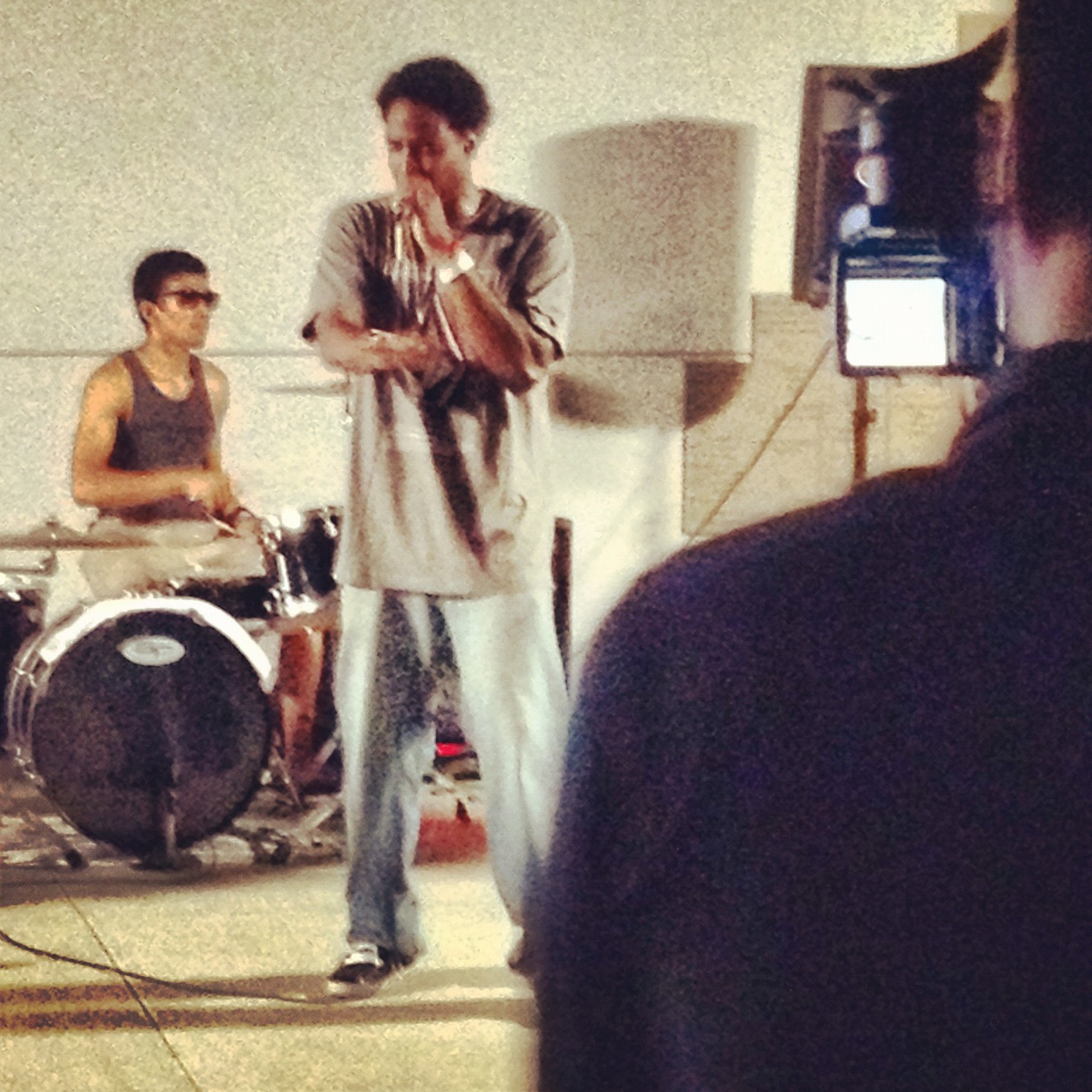
Brother Luke & The Comrades – STANDING ROOM ONLY for this gospel.


B Rawcity feat. F.T.M. – Lyrical wizard turns up the funk w/ new “Check Your Head” style backing band. Plus: light show!


Strawberry Jam – Four chicks, glued to the ground, combine twang, surf, machine-gun grunge, and a dash of Peter Hook.


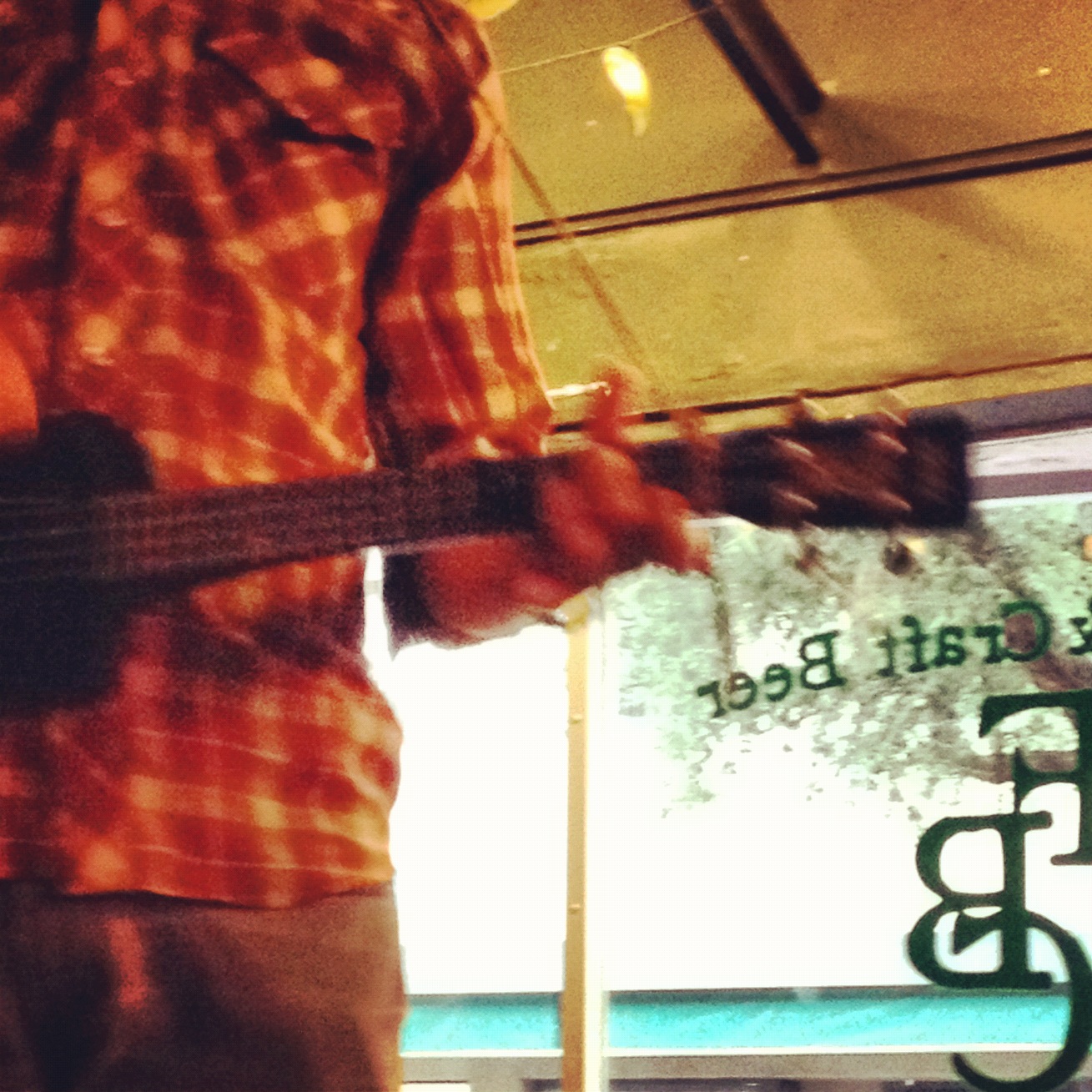
Restaurnaut – With brand new 9V battery, lonesome southern trucker plugs in electric uke; foot stomping, clapping ensue.


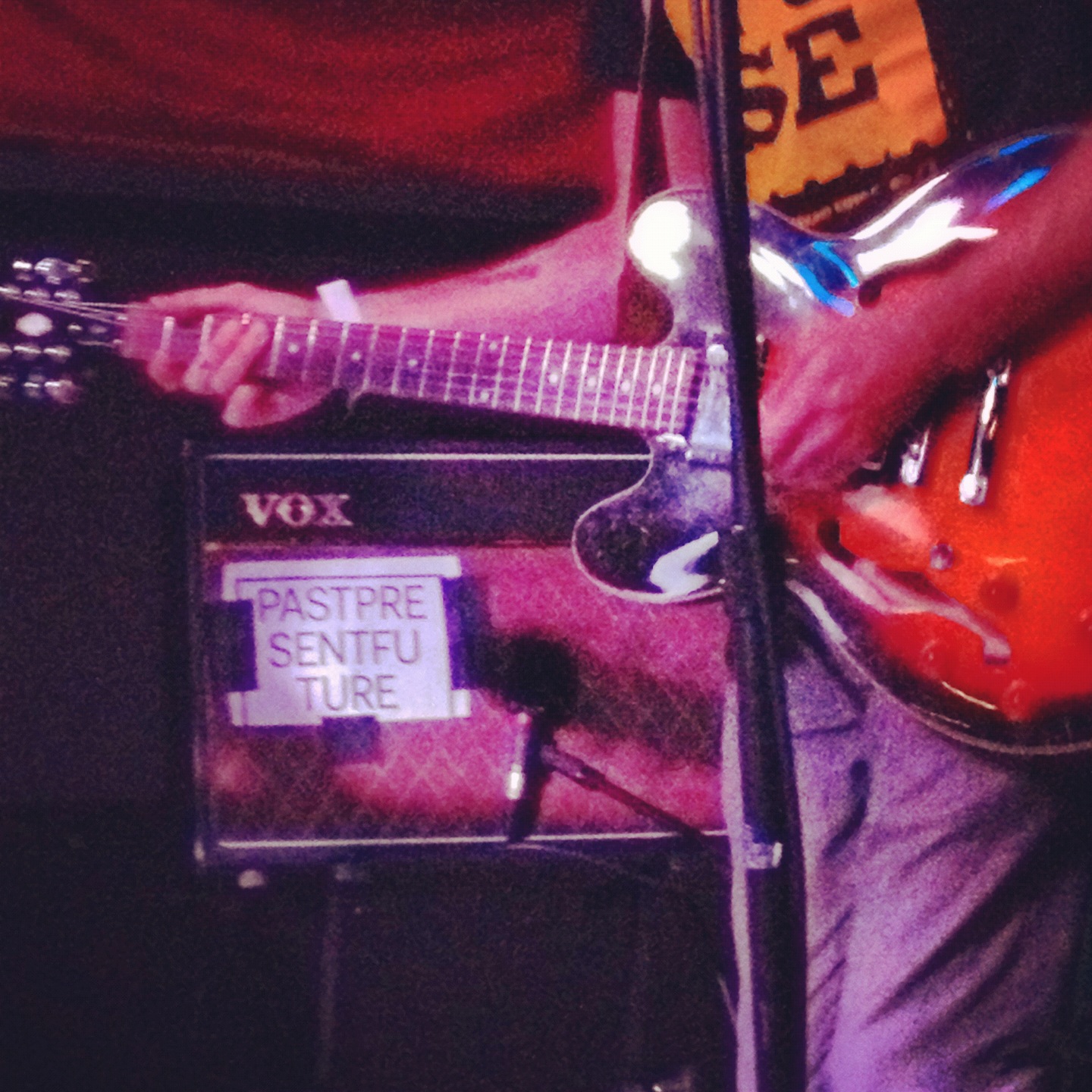
Sparklejet – Your smart, cool older brother & his two best friends consistently remind you that “rock” is both noun, verb.


Kat Jones – Lipstick hurricane sonic boom frequency.


Light Thieves – Lost in space, your earplugs fall out; then, the tiny girl on the bass hollows out your eustachian tube.


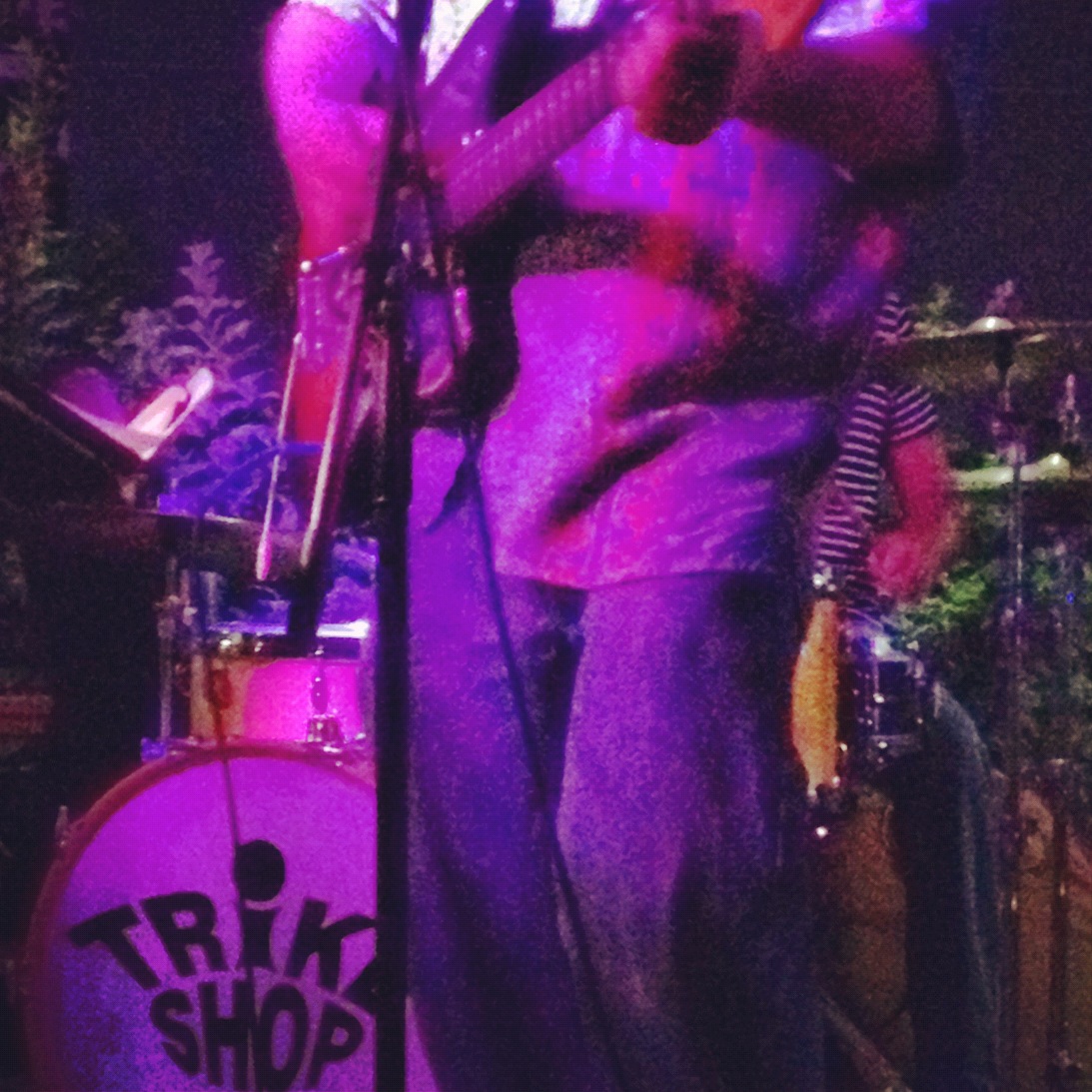
Blake Jones & Trike Shop – That moment when The Beatles, a theramin, an iron gargoyle, the Fresno PD seamlessly converge.


Actress – If John Mayer joined the Pet Shop Boys fan club and then started covering The Xx in his bedroom.


I also reviewed my dinner at the Dusty Buns Bistro Bus, which was parked outside of the Fresno Brewing Company on the Fulton Mall. Sadly, I ate the sandwich so fast between shows that there was no time to make a photograph! But here was my review:

Dusty Buns Bistro Bus – Le Grilled Cheese sandwich for Fresno Mayor 2016.

Big thanks to the Creative Fresno board and all the FUSE Fest 2012 musicians, volunteers, and fans for a great festival! My good friend Mike Osegueda from the Fresno Bee has his FUSE review up on the Beehive, with links to reviews by other good folks as well. If you were there and would like to leave a Twitter-inspired 140-character review of some of the shows I missed, feel free to add a comment.

Photo walk: On being discarded

This slideshow requires JavaScript.

On the morning of Sept. 1, 2012, I went on a self-assigned photo walk on the Fresno State campus. I wanted to collaborate again with my friend Joseph Edgecomb, who previously made photographs with me in the Mural District and at the Big Fresno Flea Market. Neither of us had been on a photo walk for quite a while, so we were both a bit rusty in the idea department. My wife suggested trash as the theme; Joseph and I then chose the university as the location because we thought the juxtaposition of trash and higher learning might yield some unexpected results.

This was the first photo walk I’ve done since taking a series of photography and graphic design classes last year at Fresno City College. I learned a lot in those four classes, including basic manual controls in a digital camera and also basic adjustments in Photoshop. I made all of my exposures in the field this time using manual settings, and I then spent quite a bit of time processing the pictures in Photoshop’s “camera raw” converter, which works with a data-rich file format that preserves the full range of each photograph’s original color and detail. My final photos had only minimal touch-up work done on them in Photoshop itself; most of my adjustments– for color, white balance, exposure, brightness, contrast, etc.– came via the camera raw converter.

Check out Joseph’s beautiful gallery to compare and contrast with mine.

Our first discovery about the trash theme was that many of our photographs turned out to be small detail shots. Usually, we both like to push each other to look up, look down, and look all around while making pictures. But this assignment really had us focused on the ground, which I think forced us to work harder on composition, perspectives, and lighting in ways that we probably wouldn’t have otherwise. I also noticed that there’s an awful lot of trash of all shapes, colors, and sizes– especially cigarette butts and empty cups– just about everywhere. You might think that the ubiquity of trash would make it an easier subject, but for me it actually had the opposite effect. While looking through the viewfinder, I was constantly questioning myself about what would make a particular scene or piece of trash worthy of a picture. It forced me to really think about what kind of story I was trying to tell with the photos I was making.

The biggest thing I found, though, was a feeling of loneliness while walking around the campus. Joseph, as a former student, and I, as both a former student and former instructor, each have bittersweet feelings about the university and its place in both our own lives and in the community. On one hand, the campus, which is well-known nationally as a living arboretum, exudes a physical beauty that I think is truly stunning in its power and grace. Yet, when the physical turns to the intellectual, the campus also stirs feelings in me of corruption, scandal, rejection, and loss.

While photographing trash, the discarded detritus of everyday life, Joseph and I walked the entire campus with our heads down, searching for our subjects. In doing so, I realized for the first time that my connections with Fresno State– strong since I was a kid, but tempered and more complex as I grow older– will never be quite the same. It felt a little mournful.

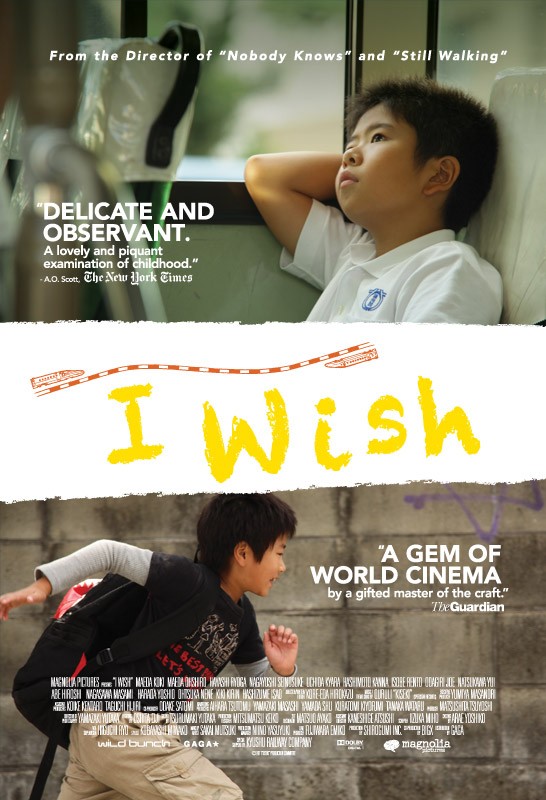
Movie review: “I Wish”

“I Wish”
Directed by:
Hirokazu Kore-eda
Format: Big screen
Viewed: Friday 8/10/2012 by myself at the Tower Theatre in Fresno

Sometimes, when I least expect it, I find exactly the right movie at exactly the right moment.

“I Wish,” written and directed by Japanese filmmaking virtuoso Hirokazu Kore-eda, tells the story of two young brothers who are split apart by the separation of their parents. The oldest brother, who lives quietly in the south of Japan with his mother and grandparents, wishes for the family to be reunited. He concocts a plan over the phone with his younger brother, who lives wildly in the north of Japan with his musician father, to meet in the middle between their respective towns. Their hope: A miracle will happen when they witness the intersection of two new bullet trains passing each other at top speeds.

This little movie has such a simple premise, but Kore-eda frames every sequence with heart and art. Real-life brothers Koki and Oshiro Maeda lend an authenticity to the adventure that would have been impossible to capture otherwise. The onscreen brothers bring the magic of a kid’s naive spirit to the serious subjects of separation and loneliness. In particular, their everyday interactions with their father and grandfather– the ways that the boys so closely emulate their male role models, sometimes consciously and sometimes unconsciously– frequently moved me to tears.

For me, the best part of “I Wish” was its sweet depictions of childhood adventure. As I near the anniversary of my Big-Kid Playtime Party in the Park event of last fall, the movie reminded me that I should spend less time working and more time making fantastical plans. Let the scheming begin!